
|
|
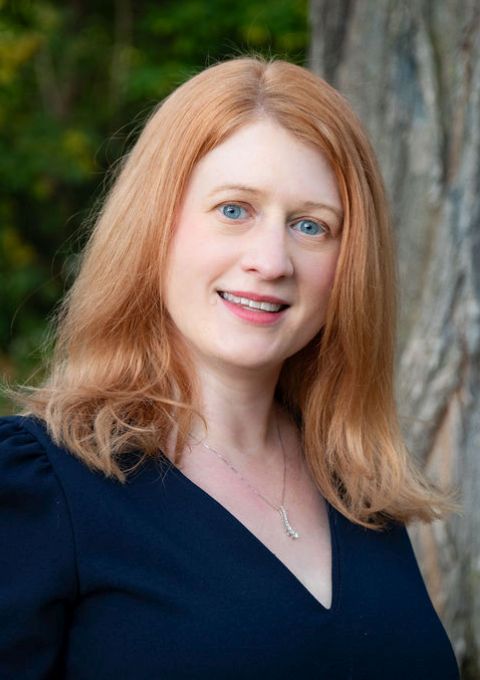
Disabled Author: Lupus
Books: Helen of Holliday's Cove, The Girl in the Churchyard
Other Publications: 40+ academic journal articles/book reviews/book chapters, the academic book Public Memory and the Television Series Outlander all under my real name Valerie Lynn Schrader.
Background
I grew up in Washington County, Pennsylvania near the Pennsylvania-West Virginia-Ohio border, where most of my novels take place. After earning my Ph.D. in communication studies from Ohio University, I was hired as an assistant professor at Penn State Schuylkill, where I later earned tenure and was promoted to full professor. Though my primary research area is the rhetoric of musical theatre, my secondary research area focuses on the intersection of power, memory, and culture. My academic publications include 40+ peer-reviewed research articles, book reviews, and book chapters, as well as the academic book Public Memory and the Television Series Outlander.
In 2018, I was diagnosed with lupus after having issues with a rash and blood clots, and later spending several days in the ICU due to an uncontrollable fever, increased heart rate, and low blood pressure. I was lucky enough to be on sabbatical at the time for research, which also provided me with time to learn to manage my chronic illness before returning to teach full-time. When the pandemic happened in 2020, things became more complicated because my chronic illness puts me at greater risk of complications from Covid. I learned to teach my classes online to protect myself and my students. Nowadays, I am able to do most things, including teach in-person and attend events, but I wear a mask indoors unless I am alone - this includes all indoor book events. I am fortunate that my spouse, immediate family, and my best friend all take precautions such as mask-wearing and testing to help keep me from getting sick. My hobbies have also changed - I enjoy hiking and swimming outside and doing family genealogy instead of performing in plays and musicals like I did prior to my diagnosis - but that allows me more time for writing and researching. I also enjoy spending time with my spouse, family, friends, and my two 11-month-old kittens Nessa and Pippin.
How She Came To Be a Writer
I have wanted to be a writer since I was about 8 years old when I was inspired by my second-grade teacher's encouragement and my grandmother's career as a writer and editor for a local newspaper. Though I always wanted to write novels, my career took me in a different direction, which allowed me to not only publish academic research in my field but also mentor undergraduate students who enjoy research and writing. During the pandemic, I decided that I didn't just want to study collective memory - I wanted to create it, particularly of everyday individuals whose stories have been lost to history. I started with telling the story of my great-grandmother in my debut novel Helen of Holliday's Cove, which is geared towards adult and young adult historical fiction readers. As I did the research for Helen, I came across another relative, Helen's cousin Margaret, who had epilepsy. I then wrote The Girl in the Churchyard, a middle-grade novel based on Margaret's life, to highlight the empowerment of people, especially children, with chronic illnesses or "invisible disabilities." I hope that young readers will see themselves in the characters of Meg, Beth, and Mandy and will feel empowered by the things they can do and/or learn to be advocates for those with chronic conditions.
How Her Disabilities Impact Her Writing and Life in General
My own chronic illness, as well as Margaret's chronic illness, are what inspired me to write The Girl in the Churchyard. There are so many things that we can do - it's just that sometimes we have to do things differently than others or take extra precautions that others do not need to take.
Challenges She Faces As a Writer
I can't do as many book events as I'd like, and if an event is indoors, I have to mask to stay safe. This means having to go outside or to a separate room to eat or drink anything. I also have to be mindful of the toll that multiple-day events take on me so that I don't get fatigued.
A Last Word
I am passionate about telling the stories of everyday individuals, including those with disabilities and chronic illnesses, who have been lost to history. I believe everyone has a story worth telling, and through my historical fiction books for adult, young adult, and middle grade readers, I seek to share those stories with the world.
Socials
- Author website: www.valerievanorman.com
- TikTok
