
|
|
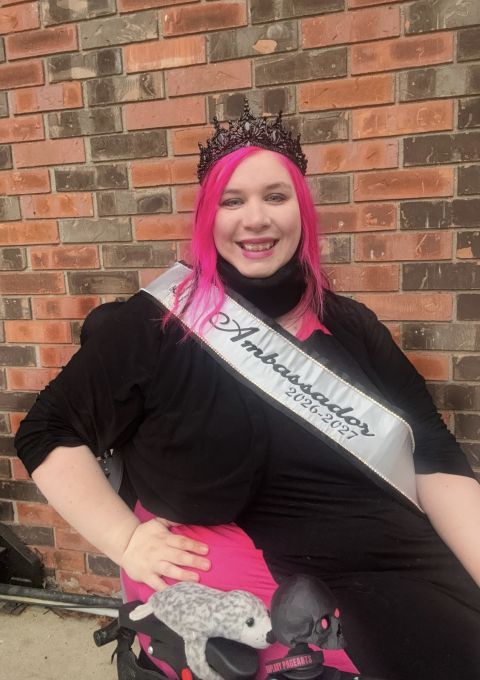
Disabled Author: Ehlers Danlos Syndrome, Mast Cell Activation Syndrome, Postural Orthostatic Tachycardia Syndrome, Hidradenitis Supprativia, Asthma
Books: Everyone Belongs: A Story of Disability and Inclusion
Background
Kitty McClintock is an author and disability advocate dedicated to promoting accessibility, empowerment, and community inclusion. Living with complex conditions including Ehlers-Danlos syndrome and using a power wheelchair for mobility, she channels her lived experience to foster understanding and break down barriers for people of all abilities. She is the author of the children's book Everyone Belongs: A Story of Disability and Inclusion, which teaches young readers the value of representation, empathy, and making space for everyone. Beyond her writing, Kitty actively leads regional literacy outreach programs, donating her book to schools and public libraries while hosting interactive storytime readings. A leader in adaptive pageantry, she has served as the Michigan Miss Amazing Miss Queen and currently holds the title of Exemplary Pageants Ambassador 2026/2027, using her platform to inspire positive change and amplify voices across the disability community.
How She Came to be a Writer
Kitty's journey into writing began as a natural extension of her personal self-expression and advocacy. Writing provided her with an impactful medium to share her story, process her lived experiences, and build empathy in others. Having written poems and short stories since the age of 10 to advocate for accessibility and cope with life's challenges, she experienced firsthand the power of storytelling as a therapeutic and educational tool. Her motivation to become a published author grew out of a desire to create the kind of literature she wished to see in the world, books that normalize disability, celebrate diversity, and ensure that every child grows up feeling valued and included.
How Her Disabilities Impact Her Writing and Life in General?
Living with complex chronic conditions like Ehlers-Danlos syndrome, a disorder affecting connective tissue that causes joint hypermobility, persistent pain, and severe fatigue, profoundly shapes both personal existence and creative expression. Navigating daily routines from a power wheelchair demands ongoing physical adjustments, deliberate pacing, and strategic energy management. Rather than letting these physical realities act purely as constraints, Kitty transforms her personal journey into a powerful catalyst for storytelling and advocacy. Creative expression has long been a foundational pillar of her life; writing poetry and short fiction since the age of ten provided an essential therapeutic outlet for processing physical adversity while offering an early vehicle for disability advocacy. This lifelong engagement with literature directly inspired her debut children's book, Everyone Belongs: A Story of Disability and Inclusion, which aims to cultivate empathy and ensure young readers encounter authentic representation. On a practical level, managing unpredictable symptoms requires an adaptable creative workflow that relies on ergonomic tools, assistive technology like voice-to-text, and careful pacing. Ultimately, the systemic and physical obstacles she faces lend an unmistakable authenticity to her perspective, enriching her literary voice and driving her broader efforts as a pageant titleholder and community advocate for total inclusion.
Challenges She Faces as a Writer with Disabilities
Physically, maintaining posture at a desk, typing, or writing by hand quickly becomes exhausting due to joint hypermobility and systemic pain, making continuous work difficult and necessitating shorter, carefully paced sessions. These physical demands are further compounded by cognitive fluctuations, commonly referred to as "brain fog." During symptom flare-ups, chronic fatigue impairs concentration, memory recall, and linguistic flow, making the task of constructing complex sentences or finding the right word far more energy-intensive. To sustain momentum despite these obstacles, writers with chronic illness must rely on highly adaptive workflows and rigorous energy management. Creative work often involves switching between ergonomic setups, non-traditional writing positions, and assistive technologies like voice-to-text software to minimize strain. Beyond the keyboard, balancing creative output with medical appointments, physical therapy, pageantry commitments, and disability advocacy requires continuous schedule adjustments, as unpredictable symptom flares clash with fixed deadlines. Outside the writing room, navigating industry events, such as book signings and community readings, presents additional systemic barriers, requiring thorough vetting to ensure venue accessibility and proper accommodations.
